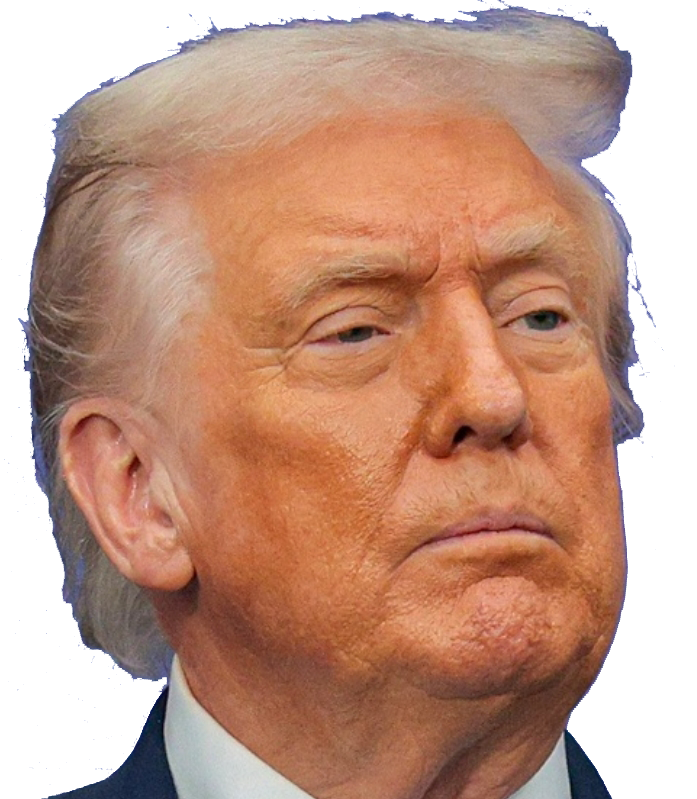

Donald Trump has claimed that Vladimir Putin has agreed to halt strikes on Ukraine’s energy infrastructure for one week after he issued a personal appeal to the Russian leader due to the extreme cold in Ukraine.
Ukraine’s president, Volodymyr Zelenskyy, did not immediately confirm the ceasefire was in place, but said that Trump had made an “important statement … about the possibility of providing security for Kyiv and other Ukrainian cities during this extreme winter period”.
The short-term ceasefire, which has not been confirmed by Russia, was first announced during a cabinet meeting of Trump’s top advisers at the White House on Thursday.
“I personally asked President Putin not to fire into Kyiv and various towns for a week and he agreed to do that,” Trump said during the meeting. “I have to tell you it was very nice.”
The request was made during a phone call between the two leaders that had not been previously reported. Trump did not give a start or end date for the ceasefire.
Both Russia and Ukraine seemed surprised by Trump’s public announcement of the agreement. Zelenskyy later wrote that a ceasefire on power plants and other vital energy infrastructure had been discussed between the two sides and that he “expects the agreements to be implemented”.
“The situation is unfolding overnight and the reality at our energy facilities and in our cities will reflect this in the coming days,” he said.
Russian and Ukrainian social media channels close to the military had speculated about a short ceasefire before Trump’s announcement, but the reports had not been confirmed. On Thursday morning the Kremlin declined to discuss whether an energy ceasefire had been negotiated.
Trump also claimed he had informed Ukrainian officials about the ceasefire. “Ukraine … almost didn’t believe it but they were very happy about it,” Trump said.
Two recent Russian missile and drone strikes left more than 1 million people in Kyiv without power and more than 6,000 buildings without heating, according to Reuters. The country is enduring a brutally cold winter and temperatures are expected to drop to -20C (-4F) in the coming weeks.
Hours earlier, Yuri Ushakov, a Kremlin aide, had rejected assertions by Trump’s envoy Steve Witkoff and the secretary of state, Marco Rubio, that the only issue left to resolve between Kyiv and Moscow to end the war concerned control over Ukrainian territory in the Donbas region.
“The territorial issue is the most important issue but many other issues remain on the agenda,” Ushakov said. Asked about security guarantees the west had pledged to Ukraine in the event of a deal, Ushakov said: “No one agreed on this.”
Ukraine and Russia are expected to continue talks in Abu Dhabi this weekend that will focus specifically on military contacts and efforts at monitoring a potential ceasefire. Trilateral talks including US officials last week were the first time the three sides had sat down to negotiations since Russia launched its full-scale invasion in 2022.
Ushakov was guarded when asked whether the talks were at an advanced stage. “We held the first round of negotiations within the framework of the security working groups. That’s where we are,” he said.
On Thursday evening, Zelenskyy said he had intelligence that Russia was preparing for a new strike against Ukraine. “Our intelligence has provided information on this issue and it is necessary that the US, Europe and all our partners understand how this discredits the diplomatic discussions,” he wrote.
Earlier, he had warned of Russia “using the negotiating process with the cynical, harsh goal of delaying new measures of pressuring Russia [to make peace] that could work”.
Earlier this week, a Russian drone strike on a Ukrainian passenger train killed five people onboard, according to Ukrainian prosecutors. One drone struck a carriage of the train, which was carrying 155 passengers, and two more drones detonated alongside it. Zelenskyy called the attack an act of terrorism.